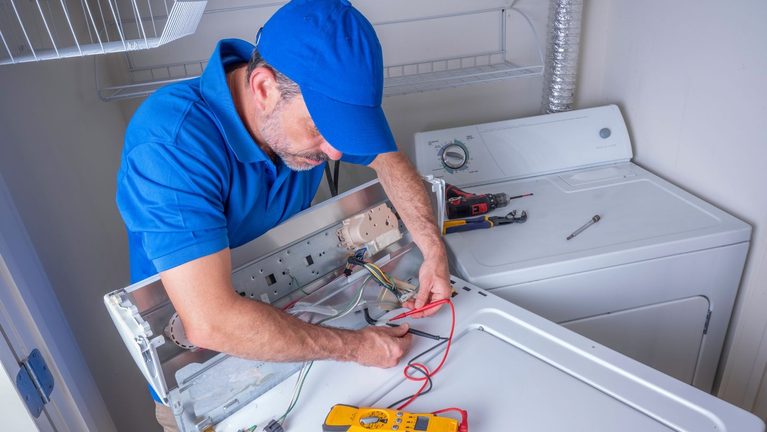
A solid home appliances guide can save time, money, and frustration. The right appliances turn daily chores into simple tasks. They also cut energy bills and improve comfort in every room.
This guide covers the essentials. It breaks down what matters in the kitchen, laundry room, and living spaces. Readers will learn how to choose smart options and keep them running longer. Whether someone is setting up a first apartment or upgrading an existing home, these tips apply.
Table of Contents
ToggleKey Takeaways
- A comprehensive home appliances guide helps you save time, money, and energy by making smarter purchasing decisions.
- Always measure your space and check clearance requirements before buying any major appliance.
- Energy Star certified appliances meet strict efficiency standards and can significantly reduce long-term operating costs.
- Front-load washers use less water and spin clothes drier, cutting both water bills and dryer run time.
- Regular maintenance—like cleaning refrigerator coils and emptying dryer lint traps—extends appliance lifespan and prevents costly repairs.
- Shop during holiday sales, Black Friday, or end-of-model-year clearances to get the best deals on home appliances.
Kitchen Appliances That Make a Difference
The kitchen sees more appliance action than any other room. A home appliances guide should start here.
Refrigerators sit at the center of most kitchens. Modern models offer better energy ratings and flexible storage. French door styles provide wide shelves for large platters. Bottom freezers make daily items easier to reach. Look for Energy Star ratings to lower electricity costs.
Ranges and ovens come in gas, electric, and induction options. Gas gives instant heat control. Electric offers even baking temperatures. Induction heats faster and stays cooler to the touch. Convection settings speed up cooking by circulating hot air.
Dishwashers save hours each week. Newer models use less water than hand washing. Features like soil sensors adjust cycle length based on how dirty dishes are. Third racks add space for utensils and small items.
Small appliances deserve attention too. A quality blender handles smoothies, soups, and sauces. Instant pots combine several cooking methods in one device. Air fryers crisp food with less oil. Coffee makers with programmable timers start brewing before anyone wakes up.
This part of a home appliances guide often gets overlooked: countertop space matters. Choose appliances that fit the kitchen layout. A massive stand mixer won’t help if it stays in a cabinet because there’s no room for it.
Laundry Room Must-Haves
Laundry rooms need appliances that handle heavy use without breaking down. This section of the home appliances guide covers the basics.
Washing machines come in top-load and front-load designs. Front-loaders use less water and spin clothes drier. This reduces dryer time and energy costs. Top-loaders cost less upfront and allow adding items mid-cycle. High-efficiency (HE) models in both styles save water and detergent.
Dryers use gas or electricity. Gas dryers cost more to install but less to run over time. Electric dryers work in any home with a 240-volt outlet. Heat pump dryers offer the best efficiency, though they cost more initially.
Look for moisture sensors in dryers. These stop the cycle when clothes are dry. This prevents over-drying, which damages fabric and wastes energy.
Stackable units fit small spaces. They combine washer and dryer in a vertical setup. Combo units that wash and dry in one machine exist too, though they handle smaller loads.
A practical home appliances guide mentions ventless dryers for apartments. These don’t need external venting. They work well in spaces where traditional installation isn’t possible.
Climate Control and Comfort Appliances
Temperature and air quality affect daily comfort. A complete home appliances guide addresses these needs.
Air conditioners range from window units to central systems. Window and portable AC units cool single rooms. Split systems handle larger areas without ductwork. Central air distributes cooling through existing ducts. BTU ratings indicate cooling power, match this to room size for best results.
Heaters keep homes warm in cold months. Space heaters work for single rooms. Radiant heaters warm objects directly. Convection heaters circulate warm air. For whole-home heating, furnaces and heat pumps offer efficient options.
Dehumidifiers remove excess moisture. They prevent mold growth and reduce musty smells. Basements and bathrooms benefit most. Look for auto-shutoff features and continuous drain options.
Air purifiers filter dust, pollen, and other particles. HEPA filters capture 99.97% of particles 0.3 microns or larger. Activated carbon filters remove odors. These appliances help people with allergies breathe easier.
Humidifiers add moisture in dry climates or during winter heating season. Cool mist and warm mist types both work well. Evaporative models use filters to prevent mineral dust.
How to Choose the Right Appliances for Your Home
Buying appliances involves more than picking the shiniest model. This home appliances guide breaks down the decision process.
Measure first. Know the exact dimensions of the space. Include clearance for doors, drawers, and ventilation. A beautiful refrigerator means nothing if it won’t fit through the doorway.
Set a realistic budget. Factor in operating costs, not just purchase price. An efficient model that costs more upfront may save money over five to ten years. Calculate the total cost of ownership.
Check energy ratings. Energy Star certified appliances meet strict efficiency standards. The yellow EnergyGuide label shows estimated yearly operating costs. Compare similar models using these figures.
Read reviews from actual users. Professional reviews test features. User reviews reveal long-term reliability issues. Look for patterns in complaints, if many people mention the same problem, take note.
Consider your household’s needs. A family of five needs a larger capacity washer than a single person. Someone who cooks daily benefits from a higher-end range more than someone who mostly orders takeout.
Think about smart features. WiFi-connected home appliances allow remote control and monitoring. Some send alerts when cycles finish or when maintenance is needed. Decide if these features add value for the way you live.
A practical home appliances guide recommends buying during sales. Holiday weekends, Black Friday, and end-of-model-year clearances offer significant savings.
Maintenance Tips to Extend Appliance Lifespan
Proper care keeps appliances running longer. This part of the home appliances guide covers simple maintenance tasks.
Clean refrigerator coils once or twice a year. Dusty coils force the compressor to work harder. This raises energy use and shortens the appliance’s life. The coils sit behind or beneath the unit.
Replace water filters on schedule. Refrigerator water dispensers and ice makers need fresh filters every six months. Clogged filters reduce water flow and ice quality.
Clean dishwasher filters monthly. Food particles collect in the filter at the bottom of the machine. A dirty filter leads to poor cleaning and bad smells. Most filters twist out for easy rinsing.
Empty dryer lint traps after every load. Lint buildup reduces efficiency and creates a fire hazard. Deep clean the vent duct yearly to remove buildup inside the line.
Run washing machine cleaning cycles. Front-loaders especially need this. Moisture trapped in door seals can cause mold. Leave the door open between loads to let the drum dry.
Descale coffee makers and kettles. Hard water leaves mineral deposits. White vinegar or commercial descaling solutions break down buildup. Do this monthly in hard water areas.
Check and replace HVAC filters. Dirty filters reduce airflow and strain heating and cooling systems. Most need replacement every one to three months.
Following this home appliances guide for maintenance prevents costly repairs. Small efforts today mean fewer breakdowns tomorrow.