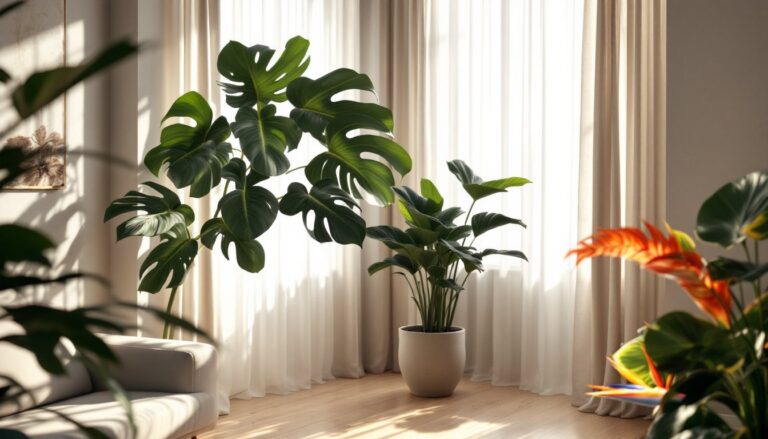
Adding indoor tree plants to your home does more than just fill empty corners, they clean the air, boost mood, and instantly elevate any room’s aesthetic. Whether you’re working with bright, indirect light in a living room or lower-light conditions near a hallway, there’s an indoor tree plant that’ll thrive in your space. This guide walks you through seven proven species and the straightforward care they need, so you can pick the right one for your home and keep it healthy year-round.
Table of Contents
ToggleKey Takeaways
- Indoor tree plants clean the air by filtering toxins like formaldehyde and benzene while adding visual drama to any room with minimal layout disruption.
- Fiddle leaf figs and bird of paradise deliver striking aesthetics but require bright, indirect light and consistent care, while rubber plants and dracaenas tolerate low light and inconsistent watering for busy households.
- The most common reason indoor trees fail is overwatering—use the thumb test by checking soil 1–2 inches deep before adding water, and always use pots with drainage holes to prevent root rot.
- Each indoor tree plant thrives in different light conditions: fiddle figs and bird of paradise need 4+ hours of bright indirect or direct light, while dracaenas survive in medium to low light offices or hallways.
- Monthly leaf cleaning, balanced fertilizing every 4–6 weeks during growing season, and proper humidity through misting create the foundation for healthy, long-lived indoor trees year-round.
Why Indoor Trees Are Perfect For Your Home
Indoor tree plants deliver real benefits beyond decoration. They filter indoor air, removing formaldehyde, benzene, and other common toxins that accumulate in sealed homes. Most indoor trees are forgiving, they tolerate inconsistent watering better than houseplants with fussy root systems, making them ideal for busy households.
Space matters too. A tall indoor tree fills vertical real estate that shelving or art can’t address as effectively. They anchor rooms, draw the eye upward, and make spaces feel more complete without requiring a major layout overhaul. Unlike smaller potted plants scattered on shelves, a single tree plant creates a focal point that works as hard decoratively as it does practically.
Fiddle Leaf Fig: The Statement-Making Indoor Tree
The fiddle leaf fig (Ficus lyrata) has earned its Instagram fame legitimately. With large, violin-shaped leaves and a naturally tall, sculptural form, it’s the indoor tree plant that stops conversations. It reaches 6–10 feet indoors under good conditions.
This tree prefers bright, indirect light, a spot within 2–3 feet of an east or west-facing window is ideal. Direct afternoon sun can scorch leaves. Water when the top 2 inches of soil feel dry: fiddle figs hate soggy roots, so err toward underwatering in winter. Rotate the plant every two weeks to keep growth even and prevent it from leaning toward light.
The fiddle leaf fig’s main challenge is dropping leaves if moved abruptly or kept too wet. Once it settles into a spot, leave it there. Dust the large leaves monthly with a damp cloth, buildup blocks their ability to photosynthesize efficiently. Feed with a balanced fertilizer every 4–6 weeks during spring and summer growth.
Rubber Plant: A Low-Maintenance Giant
If you want an indoor tree plant that tolerates neglect and still looks striking, the rubber plant (Ficus elastica) is your answer. It grows to 8–10 feet indoors and produces thick, glossy, deep-green leaves that don’t require constant attention.
Rubber plants thrive in bright, indirect light but handle medium light better than fiddle leaf figs do. They’re more forgiving of irregular watering than most tall indoor trees, water when the top inch of soil is dry. In winter, reduce watering frequency. The rubber plant sheds leaves if kept too cold (below 60°F) or in drafts, so keep it away from heating vents and exterior doors.
Wiping leaves with a soft, damp cloth keeps them looking fresh and maximizes light absorption. Unlike fiddle figs, rubber plants tolerate occasional direct morning sun without leaf scorch. Prune lower leaves if the plant gets leggy, and it’ll branch out and fill in rather than remaining a single bare stem. A rubber plant rewards minimal care with years of reliable, dramatic presence.
Bird Of Paradise: Tropical Beauty Indoors
The bird of paradise (Strelitzia reginae) brings unmistakable tropical flair. Its dramatic orange-and-blue flowers and large, paddle-shaped leaves look exotic, but the plant is surprisingly practical for indoor growing. Mature specimens reach 4–6 feet, making them ideal if you have moderate ceiling height.
This plant craves bright light, ideally 4+ hours of direct sunlight daily near a south or west-facing window. Without sufficient light, it won’t flower. Water when the top 2 inches of soil dry out, and allow drainage freely (use a pot with drainage holes). Bird of paradise prefers slightly drier conditions than many indoor trees, so again, underwatering is safer than overwatering.
Bird of paradise takes time to mature before flowering indoors, sometimes 3–5 years from purchase, so manage expectations. Feed with a bloom-boosting fertilizer (higher phosphorus) during spring and summer to encourage flowers once the plant reaches flowering age. The payoff, when those spectacular blooms appear, justifies the wait. Spot pruning of damaged leaves keeps it looking neat without stressing the plant.
Dracaena: Stylish And Simple Care
Dracaena varieties, especially Dracaena marginata (red-edge dracaena) and Dracaena deremensis, are the indoor tree plants for people who want low commitment. They’re nearly bulletproof, tolerating low light, inconsistent watering, and average humidity.
Most dracaenas grow upright with thin stems and feathery foliage, reaching 4–8 feet indoors. They thrive in medium to bright indirect light but won’t die in offices or hallways with lower ambient light. Water when the soil is dry to the touch, usually every 1–2 weeks depending on season and pot size. Dracaenas actually prefer slightly moist (not soggy) soil, so they’re more forgiving than rubber plants with occasional overwatering.
One caveat: many dracaenas are sensitive to fluoride in tap water, which causes brown leaf tips. If you notice this, switch to filtered or distilled water. Pruning tall stems just above a leaf node encourages branching, creating a fuller indoor tree. Dracaenas reward minimal care with slow, steady growth and an architectural presence that fits modern and traditional decor equally well.
Essential Care Tips For Indoor Trees
All indoor tree plants share core care needs. Light is non-negotiable, most prefer bright, indirect light from a window. Monitor how your plant performs in your chosen spot for 2–3 weeks before deciding to move it.
Watering is the #1 reason indoor trees decline. Use the thumb test: stick your finger 1–2 inches into soil. If it’s dry, water. If moist, wait. Frequency varies by species, season, and pot size, so adjust based on your plant’s specific needs. Always use pots with drainage holes: sitting in water causes root rot, which kills trees faster than drought.
Humidity matters. Most indoor tree plants appreciate misting or a nearby humidifier, especially in winter when heating dries indoor air. Grouping plants together creates a microclimate. Dust leaves monthly, buildup blocks light and invites pests.
Feeding supports growth. Use a balanced, diluted fertilizer (half-strength) every 4–6 weeks during growing season (spring and summer). Stop in fall and winter when growth slows. Overfertilizing burns roots, so less is safer than more. Indoor trees grown in pots exhaust nutrients over time, so periodic feeding replaces what’s leeched out during watering. References like Better Homes & Gardens and The Spruce offer detailed, regionally-specific guidance for seasonal adjustments. Repot every 18–24 months into soil one size larger, or refresh the top few inches of soil if the pot is already large.
Conclusion
Choosing the right indoor tree plant comes down to your light conditions, available space, and tolerance for maintenance. Fiddle leaf figs and bird of paradise demand attention and bright light but reward you with drama. Rubber plants and dracaenas forgive inconsistent care and work in moderate light. Start with the species that matches your home’s real conditions, not Instagram aesthetics, and you’ll end up with a thriving, long-lived plant that transforms your space.