Home appliances make daily life easier, but choosing the right ones, and keeping them running smoothly, requires some know-how. From refrigerators to washing machines, these devices represent significant investments. A poorly chosen appliance wastes money. A neglected one breaks down early. This guide covers everything homeowners need to know about home appliances: the different types available, how to select the best options, safe usage practices, and maintenance strategies that extend their lifespan. Whether someone is outfitting a new kitchen or replacing an aging dryer, these practical insights will help them make smarter decisions.
Table of Contents
ToggleKey Takeaways
- Home appliances fall into major (refrigerators, washers) and small (toasters, blenders) categories, each with different lifespans and maintenance needs.
- Always measure your space and doorways before purchasing home appliances to avoid costly delivery surprises.
- Look for Energy Star labels when shopping—efficient appliances can save $50–$100 annually and thousands over their lifespan.
- Avoid overloading washers, dishwashers, and other appliances to prevent motor strain and premature breakdowns.
- Clean refrigerator coils, replace filters, and inspect door seals regularly to keep home appliances running efficiently.
- Address unusual noises or performance issues early—small repairs now prevent expensive failures later.
Understanding Different Types of Home Appliances
Home appliances fall into two main categories: major appliances and small appliances. Understanding this distinction helps buyers prioritize their purchases and budget accordingly.
Major Appliances
Major appliances, sometimes called white goods, include large items that typically stay in place. Refrigerators, ovens, dishwashers, washing machines, and dryers belong to this group. These home appliances often last 10 to 20 years with proper care. They consume more energy than smaller devices, so efficiency ratings matter significantly when shopping.
Most major appliances connect to water lines, gas lines, or dedicated electrical circuits. Installation usually requires professional help. The upfront cost runs higher, but buyers should consider the cost-per-use over the appliance’s lifetime.
Small Appliances
Small appliances include portable devices like toasters, blenders, coffee makers, and microwaves. They plug into standard outlets and require no special installation. These home appliances typically cost less upfront but may need replacement more frequently, usually every 3 to 10 years.
Small appliances offer flexibility. Homeowners can move them between rooms or store them when not in use. They also let people test new cooking methods without major commitment. Someone curious about air frying, for example, can buy a countertop unit before investing in a range with built-in air fry features.
Smart Home Appliances
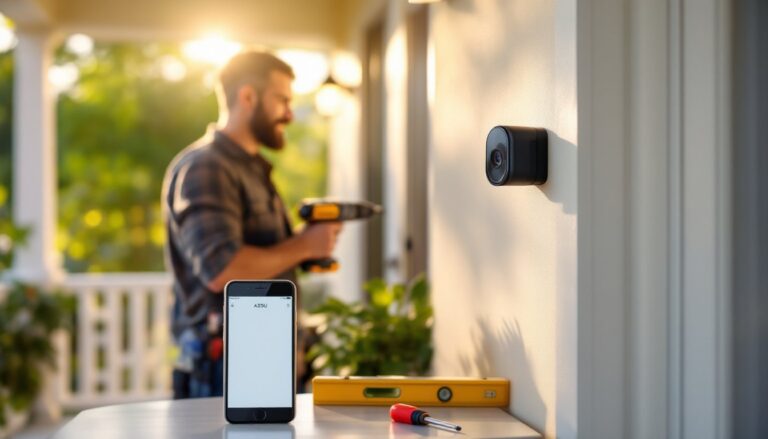
Smart home appliances connect to Wi-Fi and offer remote control through smartphone apps. Many newer refrigerators, washers, and even coffee makers include smart features. These appliances can send alerts, track usage patterns, and integrate with voice assistants like Alexa or Google Home.
Smart technology adds convenience, but it also increases the purchase price. Buyers should weigh whether they’ll actually use connected features before paying extra for them.
How to Choose the Right Appliances for Your Home
Selecting home appliances involves more than picking the shiniest model on the showroom floor. Smart buyers consider several factors before making a purchase.
Assess Your Actual Needs
Start by evaluating household habits. A family of five needs a larger refrigerator than a single person. Someone who rarely cooks won’t benefit from a professional-grade range. Home appliances should match real usage patterns, not aspirational ones.
Measure the available space carefully. Write down the exact dimensions, including doorways the appliance must pass through during delivery. Many buyers have ordered beautiful refrigerators only to discover they won’t fit through the kitchen entrance.
Compare Energy Efficiency
Energy-efficient home appliances cost more upfront but save money over time. Look for the Energy Star label, which indicates the appliance meets EPA efficiency standards. The yellow EnergyGuide label shows estimated annual operating costs, making comparisons easier.
A highly efficient washing machine might save $50 to $100 per year on water and electricity. Over a 12-year lifespan, that adds up to significant savings.
Read Reviews and Check Reliability Ratings
Consumer Reports and similar publications test home appliances and publish reliability data. These ratings reveal which brands hold up over time and which ones frequently need repairs. A cheaper appliance with poor reliability often costs more in the long run.
Online reviews from actual buyers provide useful insights too. Look for patterns in complaints. If multiple reviewers mention the same problem, take it seriously.
Consider Total Cost of Ownership
The sticker price tells only part of the story. Factor in installation costs, energy consumption, water usage, and likely repair expenses. Some home appliances also require specific consumables, water filters, vacuum bags, or specialty detergents, that add to ongoing costs.
Essential Tips for Using Home Appliances Safely
Home appliances improve daily life, but improper use creates hazards. Following safety guidelines protects both people and property.
Read the Manual
Yes, actually read it. Manufacturers include specific safety warnings and operating instructions for good reasons. Each appliance has unique requirements. The manual explains proper ventilation needs, load limits, and features that prevent accidents.
Many people skip this step and later wonder why their home appliances malfunction or perform poorly. The manual often contains troubleshooting tips that solve common problems without a service call.
Don’t Overload Appliances
Overloading causes strain on motors, bearings, and other components. Washing machines packed too full don’t clean clothes properly and wear out faster. Dishwashers crammed with dishes leave items dirty and may damage spray arms.
Home appliances work best when used within their designed capacity. If the household consistently needs more capacity, it’s time to upgrade to a larger model rather than overwork a smaller one.
Maintain Proper Ventilation
Many home appliances generate heat and require adequate airflow. Refrigerators need space behind and above them for heat to escape. Dryers must vent to the outside, and the vent line needs regular cleaning. Ranges require overhead ventilation to remove smoke, grease, and combustion byproducts.
Blocked ventilation causes appliances to overheat. This reduces efficiency, shortens lifespan, and in some cases creates fire risks.
Unplug When Not in Use
Small home appliances should be unplugged when not in use, especially those with heating elements. Toasters, coffee makers, and electric griddles can pose fire hazards if left plugged in. Unplugging also eliminates phantom power draw, saving a small amount on electricity bills.
Keep Water Away from Electrical Components
This sounds obvious, but accidents happen. Never operate electrical home appliances with wet hands. Keep countertop appliances away from sinks and water sources. If an appliance falls into water, don’t reach in to retrieve it, unplug it first or turn off the circuit breaker.
How to Maintain Your Appliances for Longevity
Regular maintenance keeps home appliances running efficiently and extends their useful life. Most maintenance tasks take just minutes but prevent expensive repairs.
Clean Regularly
Dirt, grease, and debris reduce appliance performance. Clean refrigerator coils every six months to maintain cooling efficiency. Wipe down oven interiors after spills to prevent baked-on residue. Empty vacuum cleaner bins and replace filters as recommended.
For home appliances with filters, air conditioners, range hoods, dishwashers, clean or replace them on schedule. Clogged filters force motors to work harder, increasing energy consumption and wear.
Inspect Seals and Gaskets
Door seals on refrigerators, ovens, and dishwashers keep temperature and moisture where they belong. Worn or damaged seals let conditioned air escape, forcing the appliance to work overtime. Check seals periodically for cracks, tears, or gaps.
A simple test for refrigerator seals: close the door on a dollar bill. If the bill slides out easily, the seal needs attention. Cleaning seals with mild soap and water often restores their grip.
Address Small Problems Quickly
Strange noises, unusual odors, and minor performance issues often signal developing problems. Addressing them early usually costs less than waiting until the appliance fails completely. A grinding sound from a garbage disposal might just mean a stuck object, or it might indicate bearing failure that worsens with continued use.
Home appliances give warning signs before major breakdowns. Pay attention to them.
Schedule Professional Service
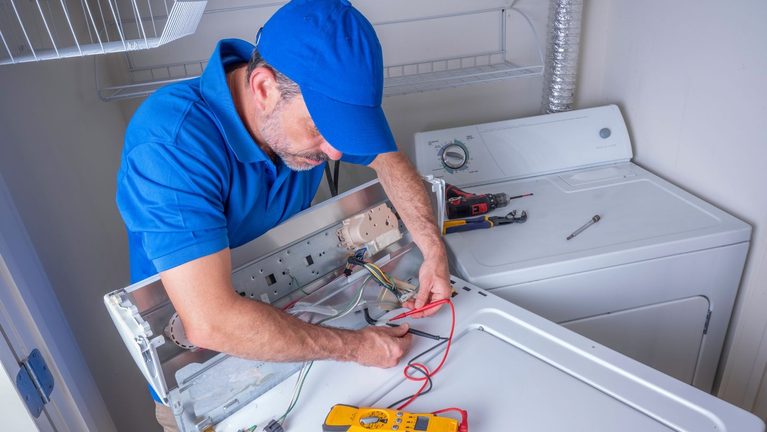
Some maintenance requires professional expertise. HVAC systems need annual inspections. Gas appliances should be checked for leaks periodically. Major home appliances like refrigerators and washing machines benefit from occasional professional tune-ups, especially as they age.
Professional service costs money upfront but often catches problems before they cause catastrophic, and expensive, failures.