Home appliances for beginners can feel overwhelming at first. Walk into any appliance store, and rows of refrigerators, washing machines, and gadgets with confusing features greet you. Which ones do you actually need? What’s worth the investment?
This guide breaks down the essential home appliances every new homeowner or renter should consider. Whether someone is setting up their first apartment or replacing outdated equipment, understanding the basics saves time, money, and frustration. The right appliances make daily tasks easier and more efficient.
Table of Contents
ToggleKey Takeaways
- Start with essential home appliances for beginners like a refrigerator, stove, microwave, and washing machine before adding extras.
- Choose ENERGY STAR-certified appliances to save 10-15% on energy costs over time.
- Front-load washers use less water and spin clothes drier, while top-load models cost less and allow mid-cycle additions.
- Always measure your space, including doorways and hallways, before purchasing any appliance to avoid delivery headaches.
- Regular maintenance—like cleaning refrigerator coils and clearing dryer lint traps—extends appliance life by years.
- Smart home appliances add convenience but cost 30-50% more, so weigh whether the features justify the price for your needs.
Essential Kitchen Appliances Every Home Needs
The kitchen serves as the heart of most homes. Choosing the right home appliances for beginners starts here.
Refrigerator
A refrigerator tops the list of necessary kitchen appliances. It keeps food fresh and prevents spoilage. For beginners, a mid-size model (18-22 cubic feet) works well for most households. Top-freezer models cost less upfront. French-door styles offer more space but carry higher price tags.
Look for energy-efficient models with the ENERGY STAR label. These units use 10-15% less energy than standard models, which adds up over years of use.
Stove or Range
Every kitchen needs a cooking surface. Gas ranges heat quickly and give precise temperature control. Electric ranges cost less to install and clean easier. Induction cooktops offer the fastest heating but require compatible cookware.
For most beginners, a standard 30-inch freestanding range handles everyday cooking needs. It combines an oven and stovetop in one unit.
Microwave
Microwaves reheat leftovers, defrost frozen foods, and cook simple meals in minutes. Countertop models plug in anywhere. Over-the-range microwaves save counter space and include ventilation for the stovetop.
A 1,000-watt microwave with 1.0-1.5 cubic feet of capacity suits most cooking tasks.
Dishwasher
While not strictly essential, a dishwasher saves hours of manual washing each week. Modern dishwashers use less water than hand washing, about 3-4 gallons per cycle versus 27 gallons by hand.
Beginners should prioritize models with adjustable racks and a sanitize cycle. These features handle various dish sizes and kill bacteria effectively.
Must-Have Laundry Appliances
Laundry appliances represent a significant investment, but they eliminate trips to the laundromat and save money long-term.
Washing Machine
Top-load washers cost less and allow users to add forgotten items mid-cycle. Front-load washers use less water, clean more gently, and spin clothes drier, reducing dryer time.
Capacity matters for home appliances for beginners. A 4.0-4.5 cubic foot drum handles most family loads. Larger drums suit households with kids or frequent laundry needs.
Dryer
Electric dryers plug into standard 240-volt outlets and cost less than gas models. Gas dryers run cheaper per load but need a gas line connection.
Moisture sensors prevent over-drying and save energy. This feature pays for itself by extending clothing life and reducing utility bills.
Washer-Dryer Combos
Apartment dwellers with limited space might consider combo units. These all-in-one machines wash and dry clothes in the same drum. They take longer per cycle but eliminate the need for two separate appliances.
Ventless dryer options work in spaces without exterior venting access.
Smart Home Appliances Worth Considering
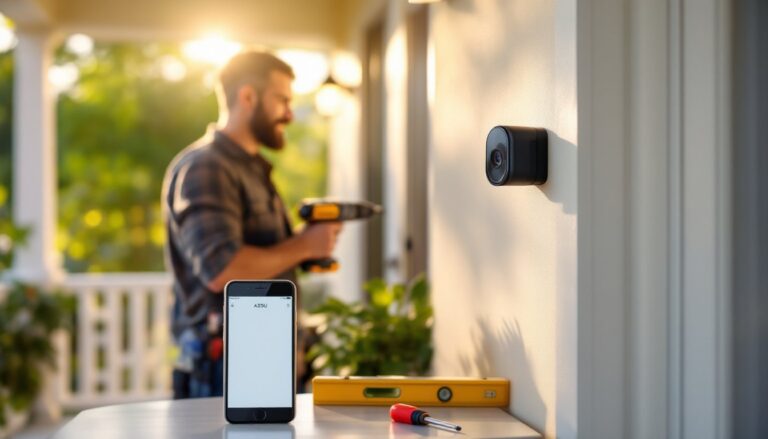
Smart home appliances connect to WiFi and offer remote control through smartphone apps. They aren’t necessary for everyone, but they add convenience.
Smart Refrigerators
These units feature interior cameras, touchscreens, and inventory tracking. Users can check what’s inside from the grocery store. Some models suggest recipes based on available ingredients.
The downside? Smart refrigerators cost 30-50% more than standard models. Beginners should weigh whether these features justify the price.
Smart Washers and Dryers
Smart laundry appliances send notifications when cycles finish. Some diagnose problems and order replacement parts automatically. Remote start lets users begin loads from work.
For busy households, these features genuinely save time. For others, they’re nice extras rather than necessities.
Smart Thermostats and Plugs
While not traditional home appliances for beginners, smart thermostats control heating and cooling efficiently. They learn household patterns and adjust temperatures automatically.
Smart plugs turn any appliance into a smart device. Plug in a lamp, fan, or coffee maker and control it with voice commands or schedules.
Tips for Choosing and Maintaining Your Appliances
Smart shopping and regular maintenance keep home appliances running for years.
Set a Budget First
Appliance prices vary wildly. A basic refrigerator runs $500-800. Premium models exceed $3,000. Decide what features matter most and stick to budget limits.
Buying floor models or last year’s versions saves 15-30% without sacrificing quality.
Read Reviews Before Buying
Customer reviews reveal real-world performance issues that product descriptions hide. Pay attention to comments about reliability, noise levels, and customer service experiences.
Look for patterns in complaints. One negative review means little. Twenty similar complaints signal a genuine problem.
Measure Your Space
This sounds obvious, but many beginners skip it. Measure doorways, hallways, and installation spots before purchasing any home appliances. A beautiful refrigerator means nothing if it won’t fit through the front door.
Maintain Regularly
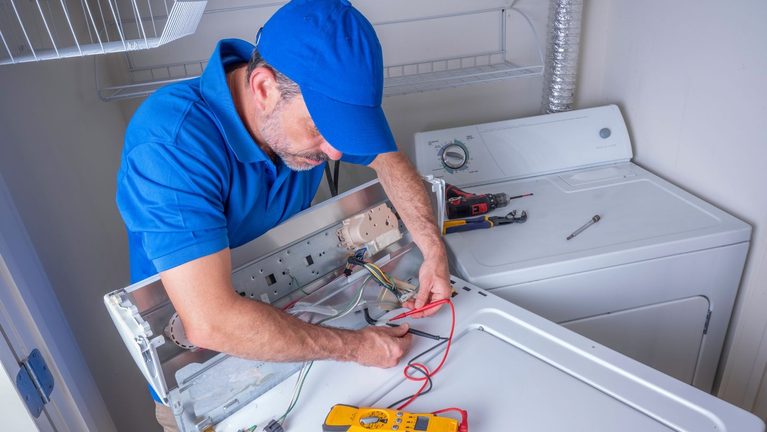
Clean refrigerator coils every six months. Clear dryer lint traps after each use. Run dishwasher cleaner monthly. These simple tasks extend appliance life by years.
Keep user manuals accessible. They contain specific maintenance schedules and troubleshooting guides for each model.
Consider Warranties
Manufacturer warranties typically cover one year. Extended warranties cost extra but provide peace of mind for expensive appliances. They make sense for refrigerators and washing machines, less so for microwaves and smaller items.