Home appliances have transformed how people manage their daily lives. These devices handle tasks that once required hours of manual labor. From refrigerators that keep food fresh to washing machines that clean clothes, home appliances serve as essential tools in modern households.
This guide explains what home appliances are, explores their different types, and helps readers understand how to select the right devices for their needs. Whether someone is setting up a new home or upgrading existing equipment, understanding home appliances makes the decision process easier.
Table of Contents
ToggleKey Takeaways
- Home appliances are electrical or mechanical devices designed for household use that save time and reduce physical effort on daily tasks.
- Home appliances fall into two categories: major appliances (refrigerators, washers, dryers) and small appliances (coffee makers, toasters, blenders).
- Modern home appliances offer significant benefits including time savings, improved energy efficiency, better food safety, and smart connectivity features.
- Energy Star certified home appliances can use up to 40% less energy than older models, reducing utility bills and environmental impact.
- When choosing home appliances, assess your household needs, set a budget, compare energy ratings, and measure available space before purchasing.
- The average home contains between 10 and 20 different home appliances depending on household size and lifestyle preferences.
Definition of Home Appliances
Home appliances are electrical or mechanical devices designed for household use. They perform specific tasks related to cooking, cleaning, food preservation, and general home maintenance. These devices reduce physical effort and save time on routine chores.
The term home appliances covers a wide range of products. A refrigerator qualifies as a home appliance. So does a toaster. The common thread is that each device serves a practical function within a residential setting.
Home appliances typically run on electricity, though some use gas or battery power. They range from simple single-function tools to advanced smart devices with multiple features. The average home contains between 10 and 20 different home appliances, depending on household size and lifestyle preferences.
These devices have evolved significantly over the past century. Early home appliances were basic and often unreliable. Today’s versions offer improved efficiency, longer lifespans, and features like programmable settings and smartphone connectivity.
Types of Home Appliances
Home appliances fall into two main categories based on their size, function, and typical placement within a home. Understanding these categories helps buyers organize their purchasing decisions.
Major Appliances
Major appliances, sometimes called white goods, are large devices that perform essential household functions. They usually require dedicated electrical circuits or special installation. Most major home appliances stay in one location once installed.
Common major home appliances include:
- Refrigerators – Store food at cold temperatures to prevent spoilage
- Washing machines – Clean clothing and textiles using water and detergent
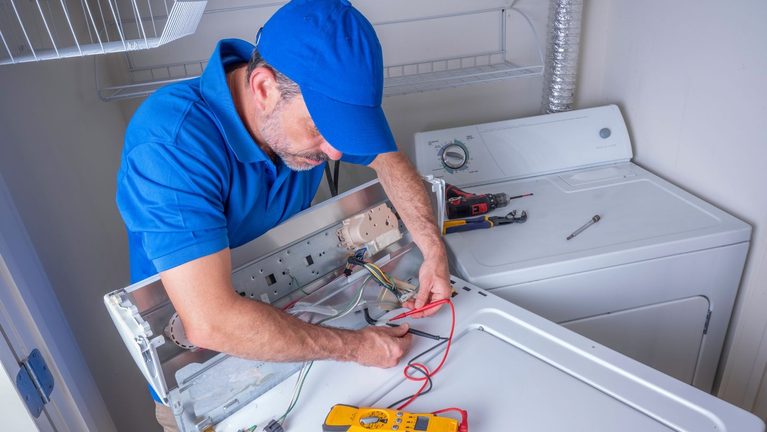
- Dryers – Remove moisture from washed items using heat
- Dishwashers – Wash and sanitize dishes, utensils, and cookware
- Ovens and ranges – Cook food using gas or electric heat
- Air conditioners – Cool indoor spaces during warm weather
- Water heaters – Provide hot water for bathing and cleaning
Major home appliances represent significant investments. They typically last 10 to 15 years with proper maintenance. Energy efficiency ratings matter greatly for these devices since they run frequently and consume substantial power.
Small Appliances
Small appliances are portable devices that sit on countertops or store in cabinets. They handle specific tasks and usually plug into standard electrical outlets. These home appliances cost less than major appliances and are easier to replace.
Popular small home appliances include:
- Coffee makers – Brew coffee from ground beans or pods
- Toasters – Brown bread slices using radiant heat
- Blenders – Mix and puree ingredients for drinks and recipes
- Microwaves – Heat food quickly using electromagnetic radiation
- Food processors – Chop, slice, and blend ingredients
- Electric kettles – Boil water rapidly for tea or cooking
- Vacuum cleaners – Remove dust and debris from floors and surfaces
Small home appliances add convenience to daily routines. They require minimal space and offer affordable solutions for specific needs. Most households own several small appliances that see regular use.
Benefits of Modern Home Appliances
Modern home appliances deliver several advantages that improve quality of life. These benefits explain why households continue to invest in new devices.
Time Savings
Home appliances dramatically reduce the time required for household tasks. A washing machine completes a load of laundry in about an hour with minimal human involvement. Hand washing the same amount would take several hours. Dishwashers, vacuum cleaners, and food processors offer similar time advantages.
Energy Efficiency
Newer home appliances use less electricity and water than older models. Energy Star certified devices meet strict efficiency standards set by government agencies. A modern refrigerator uses 40% less energy than models from 20 years ago. These savings reduce utility bills and environmental impact.
Improved Food Safety
Home appliances like refrigerators and freezers keep food at safe temperatures. This prevents bacterial growth and extends food freshness. Proper food storage reduces waste and protects household members from foodborne illness.
Physical Comfort
Air conditioners and heaters maintain comfortable indoor temperatures year-round. Water heaters provide hot water for showers and baths. These home appliances support physical well-being and make homes more pleasant spaces.
Convenience Features
Smart home appliances connect to WiFi networks and respond to voice commands. Users can start a washing machine from their phone or check refrigerator contents while at the grocery store. These features add flexibility to busy schedules.
How to Choose the Right Home Appliances
Selecting home appliances requires careful consideration of several factors. A thoughtful approach prevents buyer’s remorse and ensures long-term satisfaction.
Assess Your Needs
Start by identifying which tasks need assistance. A household that cooks frequently benefits from quality kitchen home appliances. Families with children may prioritize large-capacity washers and dryers. Single-person households might prefer compact appliances that fit smaller spaces.
Set a Budget
Home appliances vary widely in price. Major appliances cost anywhere from $400 to $3,000 or more. Small appliances range from $20 to $500. Determine spending limits before shopping to narrow options and avoid overspending.
Compare Energy Ratings
Energy efficiency affects operating costs over time. Check the yellow EnergyGuide label on home appliances to compare annual energy consumption. Higher efficiency models cost more upfront but save money through lower utility bills.
Measure Available Space
Major home appliances need specific dimensions to fit their designated spots. Measure doorways, hallways, and installation areas before purchasing. Account for ventilation requirements and clearance space around devices.
Read Reviews and Ratings
Customer reviews reveal real-world performance information. Look for patterns in feedback about reliability, noise levels, and ease of use. Professional reviews from consumer publications provide detailed testing results.
Consider Warranty Coverage
Home appliances should include manufacturer warranties. Standard coverage typically lasts one year for parts and labor. Extended warranties offer additional protection but add to the total cost. Evaluate whether extra coverage makes sense for expensive items.