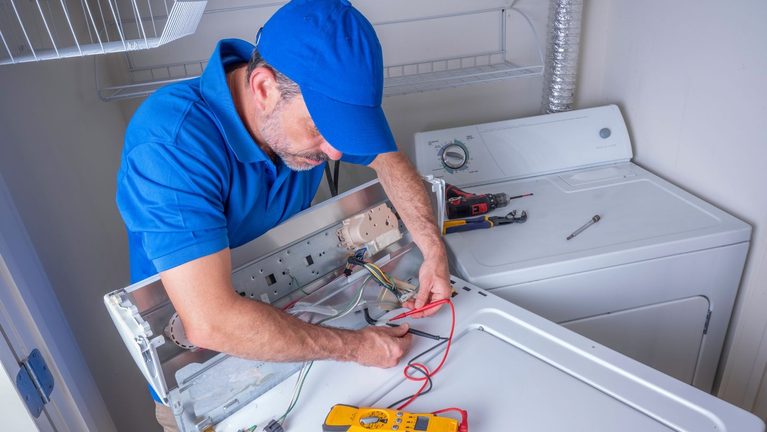
Home appliances make daily life easier, faster, and more efficient. From refrigerators that keep food fresh to coffee makers that jumpstart mornings, these machines handle tasks that once consumed hours of manual labor. The average American household contains more than a dozen home appliances, and that number continues to grow.
Choosing the right home appliances requires knowledge about types, features, and long-term costs. This guide covers everything buyers need to know, from major kitchen equipment to small countertop devices. It also explains how to maintain these products and reduce energy bills along the way.
Table of Contents
ToggleKey Takeaways
- Home appliances fall into two categories—major appliances like refrigerators and washers, and small appliances like coffee makers and air fryers.
- Always measure your space, evaluate capacity needs, and compare energy ratings before purchasing any home appliance.
- Regular maintenance, such as cleaning refrigerator coils and emptying dryer lint traps, extends appliance lifespan and prevents costly repairs.
- ENERGY STAR certified home appliances use 10% to 50% less energy than standard models, reducing utility bills over time.
- Front-loading washers and heat pump dryers offer significant water and energy savings compared to traditional models.
- Smart home appliances can run during off-peak hours to lower electricity costs, and some utility companies offer rebates for their installation.
Types of Home Appliances
Home appliances fall into two main categories based on size, function, and installation requirements. Understanding these categories helps buyers plan purchases and budget accordingly.
Major Appliances
Major appliances, sometimes called white goods, include large equipment that typically requires permanent installation. These home appliances handle essential household functions like food storage, cooking, and laundry.
Refrigerators rank as the most common major appliance. They run continuously to preserve food at safe temperatures. Modern models feature French doors, bottom freezers, and smart connectivity options.
Ranges and ovens provide cooking capability. Gas ranges offer precise heat control, while electric models deliver consistent temperatures for baking. Induction cooktops have gained popularity for their speed and safety features.
Washing machines and dryers process household laundry. Front-loading washers use less water than top-loaders. Heat pump dryers cost more upfront but consume significantly less electricity over time.
Dishwashers automate dish cleaning and sanitization. They use less water than hand washing, about 3 to 5 gallons per cycle compared to 27 gallons for manual washing.
Small Appliances
Small appliances sit on countertops or store in cabinets. These home appliances handle specific tasks and typically plug into standard outlets.
Coffee makers brew morning beverages. Options range from basic drip machines to espresso systems and single-serve pod brewers.
Microwaves heat food quickly using electromagnetic radiation. Most households rely on them for reheating leftovers and defrosting frozen items.
Blenders and food processors chop, puree, and mix ingredients. High-powered blenders can crush ice and blend tough ingredients like nuts and frozen fruit.
Air fryers have become kitchen staples since 2020. They circulate hot air to create crispy textures without submerging food in oil.
Toasters, electric kettles, and stand mixers round out common small home appliances. Each serves a focused purpose and saves time on routine kitchen tasks.
How to Choose the Right Home Appliances
Selecting home appliances involves balancing needs, budget, and available space. Smart buyers consider several factors before making purchases.
First, measure the installation space. Major home appliances require specific clearances for doors, ventilation, and connections. A refrigerator that doesn’t fit through the kitchen doorway creates an expensive problem.
Second, evaluate capacity needs. A family of five needs a larger refrigerator and washing machine than a single person living alone. Oversized appliances waste energy: undersized ones cause frustration.
Third, compare features against price. A refrigerator with a touchscreen and WiFi costs more than a basic model. Determine which features provide genuine value versus marketing appeal.
Fourth, research brand reliability. Consumer Reports and J.D. Power publish annual ratings based on owner surveys. Some brands consistently outperform others in durability and customer satisfaction.
Fifth, factor in operating costs. A cheap home appliance with poor energy ratings costs more over its lifespan than an efficient model with a higher purchase price.
Finally, check warranty terms. Most major home appliances include one-year warranties on parts and labor. Extended warranties may provide peace of mind for expensive purchases.
Maintaining Your Home Appliances for Longevity
Proper maintenance extends the lifespan of home appliances and prevents costly repairs. Most tasks require minimal time and no special skills.
Clean refrigerator coils every six months. Dust buildup forces the compressor to work harder, shortening its life. A vacuum attachment or coil brush handles this job in minutes.
Replace water filters in refrigerators and coffee makers according to manufacturer schedules. Old filters reduce water quality and can harbor bacteria.
Clean washing machine drums monthly. Running an empty hot cycle with white vinegar or a commercial cleaner removes soap residue and prevents odors.
Empty dryer lint traps after every load. Clogged traps reduce efficiency and create fire hazards. The U.S. Fire Administration reports that dryers cause approximately 2,900 home fires annually, most linked to lint buildup.
Descale coffee makers and electric kettles regularly. Mineral deposits from hard water affect performance and taste. White vinegar or citric acid solutions dissolve these deposits effectively.
Inspect door seals on refrigerators and ovens. Damaged gaskets let cold or hot air escape, forcing home appliances to consume more energy. Replacement seals cost far less than the wasted electricity.
Keep user manuals accessible. They contain model-specific maintenance schedules and troubleshooting guides. Digital copies are available on most manufacturer websites.
Energy Efficiency and Cost Savings
Energy-efficient home appliances reduce utility bills and environmental impact. The U.S. Department of Energy estimates that appliances account for roughly 13% of household energy use.
ENERGY STAR certification identifies home appliances that meet strict efficiency standards. These products use 10% to 50% less energy than standard models. The yellow EnergyGuide label shows estimated annual operating costs for easy comparison.
Refrigerators have improved dramatically. A new ENERGY STAR refrigerator uses about 35% less energy than models from 2003. Upgrading an old unit often pays for itself within a few years.
Front-loading washing machines use 25% less energy and 33% less water than top-loaders. Cold water wash cycles save additional energy without sacrificing cleaning performance for most laundry loads.
Heat pump dryers consume up to 60% less electricity than conventional dryers. They cost more initially but deliver significant savings over their 10 to 15-year lifespan.
Induction cooktops transfer 85% to 90% of their energy to cookware, compared to 70% for electric coils and 40% for gas burners. They also keep kitchens cooler during summer months.
Smart home appliances offer additional savings opportunities. Connected thermostats, washing machines, and dishwashers can run during off-peak hours when electricity rates drop. Some utility companies offer rebates for smart appliance installations.