Minimalist and industrial design trends currently dominate the US interior market, leaving standard gray slabs uncovered on purpose. Homeowners no longer hide their subfloors beneath vinyl planks or thick carpeting. However, basic gray concrete often looks too clinical, which is where chemical staining saves the day. If you want a complete style overhaul, custom stained concrete hits the spot. The mixture sinks deep inside the open pores. This process gives your surface organic, marbled variations that mimic expensive flagstone or luxury granite. Trying to mix chemicals without professional experience usually ruins the slab completely. To keep the finish from cracking or dulling within a few short months, prioritize booking professional flooring services in Las Cruces from the experienced team at Speedway Flooring.
Table of Contents
ToggleStaining Technology: Why Acid-Stained Concrete Is a Design Revolution
Standard paint simply sits as a thin layer on top of a floor, which easily scratches off under heavy chair legs. Acid stains work entirely differently. They trigger a permanent chemical reaction with the minerals inside the slab, fusing with the base material into a unified whole. That is exactly why high-quality stained concrete won’t fade or peel from heavy foot traffic or regular wet mopping.
The Real Perks of Going Custom
Property owners pick this modern treatment for several straightforward reasons:
- One-of-a-kind patterns. The chemical reaction variations guarantee that every single floor section develops unique marbleized shifts that nobody can copy.
- Hypoallergenic benefits. A seamless, smooth surface does away with dust mites, pet dander, and trapped dirt, unlike traditional tile grout lines or porous carpets.
- True cost efficiency. The process remodels your existing concrete foundation, wiping out the need to buy pricey top-layer materials.
A deep, premium stained concrete floor looks exceptionally sharp when protected by high-grade topcoats. The sealant delivers a sophisticated gloss or satin sheen while keeping maintenance incredibly simple.
Preparation Realities: Bypassing Costly Application Blunders
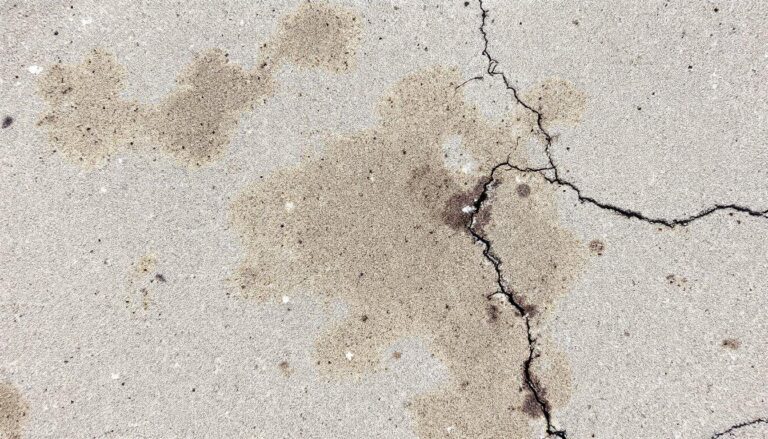
Getting a stunning floor takes heavy effort because the final look depends entirely on strict prep work. Clean the surface completely—old oil stains or dry paint drips from past drywall remodeling will block the acid, leaving ugly blank spots.
Core Processing Steps for Staining Projects
- Heavy diamond grinding. Crews treat the surface with aggressive diamond grinders to strip away loose laitance and open the concrete pores for maximum chemical intake.
- Neutralizing and washing. The floor gets scrubbed with specialized cleaning agents and left to dry out completely. Trapped moisture inside a slab ruins any decorative finish.
- Even stain distribution. Technicians spray or scrub the solution onto the surface. This exact step dictates the future visual depth and color shifts.
- Rinsing the residue. Once the chemical etching process stops, tech teams neutralize the active acid wash with a basic baking soda solution.
- Topcoat sealing. A solid polymer sealer shields your fresh decorative layer from water damage, heavy scratches, or fading under direct sunlight.
High-traffic retail outlets, offices, or busy dining spots usually need specialized commercial concrete coatings. These thick, industrial formulas survive aggressive cleaning and non-stop daily foot traffic without wearing down.
Industrial gray concrete moved past basic warehouses and auto body shops years ago. A smart, architectural approach to design proves that a basic building foundation easily competes with elite, high-end flooring options. Success relies on watching the process steps like a hawk, picking top-shelf sealants, and leaving the chemical application to true pros who understand slab chemistry inside out.