Home appliances vs. commercial appliances, it’s a comparison that matters more than most people realize. Whether someone is outfitting a new kitchen, upgrading laundry equipment, or planning a small business, understanding the differences between these two categories can save money, prevent headaches, and ensure the right fit for the job.
At first glance, a refrigerator is a refrigerator. A dishwasher washes dishes. But the gap between home appliances and their commercial counterparts runs deeper than size or price tag. These machines serve different purposes, meet different standards, and operate under very different conditions. This article breaks down what sets them apart and helps readers decide which type fits their needs.
Table of Contents
ToggleKey Takeaways
- Home appliances vs. commercial appliances differ significantly in capacity, durability, speed, and cost—not just size.
- Home appliances prioritize energy efficiency and quiet operation, making them ideal for typical household use.
- Commercial appliances are built for heavy-duty, continuous operation and can complete tasks much faster than residential models.
- A quality home refrigerator costs $1,000–$3,000, while commercial units start at $2,500 and can exceed $10,000.
- Choose home appliances for standard residential needs; opt for commercial equipment only if your workload demands high-volume, intensive use.
- “Commercial-style” residential appliances offer the industrial look without the complex installation requirements of true commercial equipment.
What Defines Home Appliances
Home appliances are designed for residential use. They handle the daily needs of a typical household, cooking meals, storing food, washing clothes, and cleaning dishes. Manufacturers build these machines with the average family in mind.
A standard home refrigerator, for example, holds between 18 and 28 cubic feet of storage. Home ovens typically run on 240-volt electrical circuits and reach temperatures suitable for everyday cooking. Home dishwashers complete cycles in 60 to 90 minutes, balancing water efficiency with cleaning power.
Home appliances prioritize energy efficiency. Many carry Energy Star certifications, which help homeowners reduce utility bills. They also emphasize quiet operation. Nobody wants a washing machine that sounds like a jet engine at midnight.
Design matters too. Home appliances come in various finishes, stainless steel, black, white, and custom panel-ready options. They’re meant to blend into kitchens and laundry rooms. Aesthetics often influence buying decisions as much as performance.
Durability expectations differ from commercial equipment. Home appliances typically last 10 to 15 years with moderate use. They’re built to handle a few cycles per day, not dozens. When a home dishwasher runs once after dinner, it meets its intended purpose.
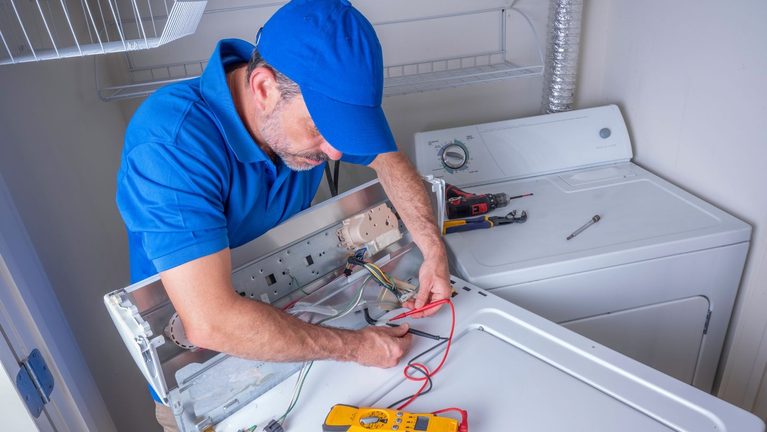
Repair costs tend to stay reasonable for home appliances. Parts are widely available, and many homeowners can handle basic maintenance themselves. This accessibility makes home appliances practical for residential settings.
What Defines Commercial Appliances
Commercial appliances serve businesses. Restaurants, hotels, hospitals, and laundromats rely on these machines for heavy-duty, continuous operation. They’re built to work harder, faster, and longer than anything found in a typical home.
A commercial refrigerator might hold 40 to 80 cubic feet of storage, or more. Commercial ovens reach higher temperatures and recover heat faster after doors open. Commercial dishwashers finish cycles in just 2 to 4 minutes, turning over dishes rapidly during busy service hours.
Speed and volume define commercial appliances. A restaurant kitchen can’t wait 90 minutes for clean plates. A hotel laundry room processes hundreds of loads weekly. These machines meet that demand without breaking down.
Commercial appliances follow strict safety and health codes. They must meet NSF International standards for sanitation. Many require specific ventilation systems, grease traps, or fire suppression equipment. Installation often involves permits and inspections.
Durability is paramount. Commercial appliances use heavier-gauge steel, stronger motors, and industrial-grade components. They’re designed to run multiple times per hour for years. A commercial washing machine might complete 8 to 10 loads daily without issue.
The trade-off? Higher upfront costs and larger utility bills. Commercial appliances consume more electricity, water, and gas. They also require professional installation and specialized maintenance. Repair technicians who service commercial equipment charge accordingly.
Key Differences Between Home and Commercial Appliances
When comparing home appliances vs. commercial appliances, several key factors stand out.
Capacity and Output
Home appliances handle household volumes. A home washing machine processes 3 to 5 cubic feet of laundry per load. A commercial washer handles 20 to 60 pounds per cycle. The difference in throughput is massive.
Build Quality and Materials
Commercial appliances use thicker steel, reinforced hinges, and industrial motors. Home appliances use lighter materials to reduce costs and weight. This affects both longevity and repair frequency.
Speed of Operation
Commercial dishwashers complete cycles in minutes. Home dishwashers take an hour or more. Commercial ovens preheat faster and maintain temperature better under heavy use. Home ovens work fine for family meals but can’t keep pace with restaurant demands.
Energy Consumption
Home appliances focus on efficiency. They minimize water and electricity use to keep bills low. Commercial appliances prioritize performance over efficiency. They consume more resources but deliver faster results.
Price Points
A quality home refrigerator costs $1,000 to $3,000. A commercial reach-in refrigerator starts around $2,500 and can exceed $10,000. Home appliances cost less upfront, but commercial appliances often prove more economical per cycle in high-volume settings.
Warranty and Service
Home appliance warranties typically cover 1 to 2 years. Commercial equipment often includes longer warranties, up to 5 years on compressors or motors. But, commercial repairs require specialized technicians and cost more per visit.
Installation Requirements
Home appliances plug into standard outlets. Commercial appliances may need 3-phase electrical connections, dedicated water lines, or upgraded ventilation. Installation complexity adds to total cost.
Which Type Is Right for You
Choosing between home appliances vs. commercial appliances depends on intended use.
For typical households, home appliances make sense. They cost less, fit standard spaces, use less energy, and handle normal daily demands. A family of four doesn’t need a commercial range. It would waste money and space.
Small businesses face a tougher choice. A cafe that serves 50 customers daily might manage with upgraded residential equipment. A busy restaurant serving 200 covers needs commercial-grade machines. The workload determines the right investment.
Some homeowners want commercial-style appliances for aesthetic reasons. Many manufacturers now offer “commercial-style” residential products. These look industrial but meet residential electrical codes and efficiency standards. They provide the visual appeal without the installation headaches.
Consider long-term costs too. Home appliances cost less initially but may wear out faster under heavy use. Commercial appliances cost more upfront but handle abuse better. Anyone planning to use equipment intensively should factor replacement costs into decisions.
Space matters as well. Commercial appliances are larger and heavier. They may not fit through standard doorways or work in typical residential kitchens. Measure carefully before buying.
Finally, think about maintenance access. Home appliance repair technicians are easy to find. Commercial equipment specialists are fewer and charge higher rates. Location affects service availability and cost.