Open kitchen shelving has become a go-to solution for homeowners seeking both style and practicality. Unlike traditional upper cabinets that hide your dishes and cookbooks, open shelving puts them on display, creating visual interest and making everyday items instantly accessible. Whether you’re renovating your entire kitchen or just swapping out a few wall cabinets, open kitchen shelving ideas are everywhere right now, from minimalist Scandinavian setups to industrial lofts. This guide walks you through the why, how, and what-not-to-do of installing open shelves instead of cabinets, so you can create a functional kitchen that actually looks as good as it works.
Table of Contents
ToggleKey Takeaways
- Open kitchen shelving creates visual space in smaller kitchens while improving cooking efficiency by keeping frequently used items within arm’s reach.
- Secure installation requires anchoring shelves directly into wall studs with brackets rated for loads exceeding 100 pounds on fully loaded shelves, and spacing them 12–15 inches apart vertically.
- Material selection—from reclaimed wood for farmhouse vibes to stainless steel for modern minimalism—sets the design tone and should complement both your kitchen style and withstand moisture from cooking.
- Organize open shelves at 60–70% capacity using cohesive color palettes and grouped items by function; white or light-toned dishware against medium-toned shelves reduces visual clutter.
- A hybrid approach combining open shelving above the counter with cabinets below balances aesthetic appeal with practical storage for less attractive kitchen items.
Why Open Kitchen Shelving Works for Modern Homes
Open kitchen shelving solves real problems. First, it opens up wall space, making small kitchens feel larger. There’s no visual bulk from cabinet doors and frames, so the eye travels farther and the room breathes. Second, it cuts prep time when cooking: your most-used items sit within arm’s reach, not buried behind cabinet stacks. Homeowners upgrading to a kitchen with open shelves and cabinets (mixing the two styles) find they cook more efficiently because staples stay visible.
There’s also the honest conversation about resale value. Open shelving won’t turn a buyer away if done well, but it demands upkeep. Dust settles on exposed shelves faster than on cabinets, and you can’t hide clutter. That said, styling open shelves carefully projects intentionality and design confidence, qualities buyers notice. Many modern kitchens now feature a hybrid approach: cabinets below the counter for pots, pans, and less attractive items, with open shelving above for daily-use bowls, glasses, and cookbooks. This balance gives you both the practical storage and the visual appeal.
Design Styles and Materials to Consider
Popular Aesthetic Approaches
Your choice of material and finish sets the entire tone. Reclaimed wood or thick live-edge shelves invoke industrial or farmhouse vibes: they’re sturdy and photograph beautifully, but they’re also heavier and typically more expensive. Steel brackets paired with reclaimed wood create that trendy industrial look seen in countless design galleries. If you prefer something lighter, painted MDF or plywood works fine for everyday kitchens and costs far less, just prime and finish it properly so it resists moisture.
Stainless steel shelves fit modern minimalist or restaurant-style kitchens. They’re easy to wipe down and hygienic, though they can feel cold if paired with harsh lighting. Floating shelves (mounted on hidden brackets anchored to studs) give a clean, uncluttered appearance: they’re popular for kitchen with open shelving ideas that prioritize visual simplicity. Floating shelves with visible brackets (steel angle iron, wood supports) make the hardware part of the design statement and look more intentional.
Color and finish matter too. A white or light gray shelf in a bright kitchen feels airy. A darker finish, walnut, espresso, or matte black, can ground an open shelving design and hide minor dust better. Whatever you choose, remember that open shelves with cabinets below work best when the shelf finish complements your lower cabinet doors. If you’re mixing open shelving ideas for kitchen layouts, keep the palette consistent to avoid visual chaos.
Installation Basics and Structural Considerations
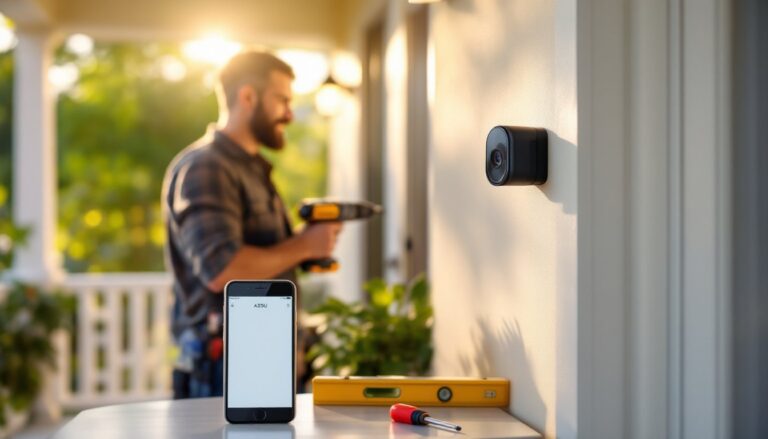
Before you drill a single hole, locate the studs in your wall using a stud finder. This isn’t optional: shelves loaded with dishes, glasses, and cookbooks weigh far more than you’d think. A fully loaded 36-inch shelf can exceed 100 pounds. Your brackets must anchor directly into studs, drywall alone will fail, and your dishes will end up on the floor.
Measure twice and mark your level line with a laser level or a long spirit level: even ½-inch dips become obvious when you’re storing straight-edged items like plates. Use ⅜-inch lag bolts or structural screws rated for your stud material (softwood vs. hardwood matters). For shelves spanning more than 30 inches, plan on three brackets minimum, two at the ends and one in the middle. Overhang should not exceed 8 inches beyond the last bracket.
If you’re installing open shelves with cabinets below, coordinate heights carefully. Standard counter height is 36 inches. Leave at least 12–18 inches from the counter to the bottom of your first shelf for appliances and workspace: 15 inches is ideal. Space shelves 12–15 inches apart vertically to accommodate stacked dishes and glassware. Test your layout with cardboard cutouts before committing to holes. Wall material matters too, some older homes have plaster or tile that requires special fasteners. When in doubt, consult your local building codes or hire a handyman to verify structural capacity: this isn’t the place to save fifty dollars.
Organizing and Styling Your Open Shelves
Organization is half the battle. Group items by function: everyday glasses on one shelf, bowls on another, cooking spices on a third. Use matching sets or a cohesive color palette so mismatched plates don’t create visual noise. Clear glass or white ceramic dishes look cleaner than dark or varied colors: they’re also easier to find. White dishware against a medium-toned shelf (like walnut or concrete) creates pleasant contrast without clutter.
Incorporate vertical storage: small shelves or vertical dividers break up horizontal lines and let you stand plates upright, freeing up shelf depth. A single shelf of cookbooks, leaning-stacked for a lived-in look, adds texture and personality. Mix in small plants or a framed print, no more than one decorative item per 2–3 feet of shelf, to prevent your kitchen from looking sterile. The goal is honest storage that also looks intentional.
Rotate your stock seasonally if you entertain. Summer entertaining might mean more serving platters on display: winter could feature warming spices and soup bowls. This keeps the shelving fresh and prevents dust buildup on items you’re not using. Keep a small lint-free cloth nearby for quick touch-ups before guests arrive. Dust settling on exposed shelves is unavoidable, so embrace it as part of the aesthetic rather than fighting a losing battle.
Common Mistakes to Avoid
Overloading shelves is the most common error. Just because you can stack three plates deep doesn’t mean you should: your back row becomes unreachable, and the shelf sags under visual chaos. Dense packing also makes shelves harder to clean and dust more obvious. Aim for 60–70% of shelf capacity, enough to look full, not crowded.
Skipping prep work is a close second. Don’t assume your walls are level or studs are where they should be. Old houses shift. Use your stud finder and level religiously. Mounting shelves that sag after a month destroys the look and wastes your effort.
Mismatch between upper and lower elements also trips people up. Kitchen shelves instead of cabinets work best when paired with coordinating lower storage. If your upper shelves are warm wood and your lower cabinets are crisp white, the visual clash can cheapen the whole kitchen. Plan a cohesive material story before buying.
Ignoring moisture is another trap, especially near stoves. Steam and splatters are real. Matte finishes and unsealed wood absorb stains more readily. If you’re mounting shelves above a cooktop, choose wipeable materials (stainless, sealed wood, or lacquered finishes) and install a backsplash extension to protect walls. Finally, don’t forget about heat sources: avoid shelves directly above hot appliances unless they’re well-ventilated, as heat can warp wood and fade finishes over time.
Conclusion
Open kitchen shelving transforms how you cook and live in your kitchen, if you install it right and style it thoughtfully. Take time with the structural work, anchor everything securely into studs, and plan your layout before drilling. Choose materials and finishes that suit your home’s style and can handle kitchen conditions. The reward is a kitchen that feels more spacious, more organized, and genuinely suited to the way you cook. Start small if you’re uncertain: replace one cabinet run with open shelves and adjust from there. You’ll quickly discover whether open shelving is your answer or whether a hybrid approach works better for your life.