An LG refrigerator not making ice is frustrating, especially when you need cold drinks or can’t freeze anything properly. The good news: in most cases, the problem isn’t a broken compressor or a trip to the repair shop. Issues like why is my LG refrigerator not making ice often come down to simple fixes you can handle yourself: a flipped switch, a frozen water line, or a clogged filter. Before you assume your lg side by side refrigerator ice maker not working means a major repair bill, walk through these five troubleshooting steps. Most homeowners can tackle them in under an hour with basic tools and no special skills required.
Table of Contents
ToggleKey Takeaways
- Most LG refrigerator not making ice issues can be fixed yourself in under an hour by checking the power switch, water line, and filter without professional service.
- A frozen or clogged water line is a common cause—use a hair dryer on low heat to thaw it or vinegar to flush mineral deposits and restore water flow.
- Replace your LG refrigerator’s water filter every 6 months with OEM filters to prevent sediment buildup that blocks ice production.
- Ensure your freezer maintains 0°F or below and the door gasket seals properly; warmth inside stops ice maker cycles before they start.
- If basic troubleshooting fails, internal component failures like a faulty inlet valve or broken motor require a licensed technician ($200–$400 repair cost).
Check The Ice Maker Power Switch
This sounds obvious, but you’d be surprised how often the ice maker is simply switched off. LG refrigerators typically have a power switch or toggle inside the freezer compartment, usually on the side wall of the unit or underneath the ice bin assembly.
Locate the switch and make sure it’s in the “On” position (it’s usually marked clearly). If it’s off, flip it on and wait 6 to 12 hours for ice production to resume, the machine needs time to cycle through water intake, freezing, and ejection.
While you’re looking at the ice maker assembly, check the ice bin itself. If it’s full, many models have a mechanical shut-off that stops the cycle. Simply remove and empty the bin, then reinstall it. Listen for a faint buzzing sound after you turn the power back on: that indicates the motor is running and water is flowing. No sound at all suggests a deeper electrical issue that may require professional service.
Inspect The Water Supply Line
The water line feeding your ice maker is a common culprit. This flexible plastic or copper tube runs from the main water supply (usually under the kitchen sink) through the wall cavity and into the back of the refrigerator. If it’s kinked, cracked, or completely disconnected, no water reaches the ice maker, and no ice gets made.
Pull the refrigerator away from the wall carefully, recruit a helper for this, as most units weigh 300+ pounds, and check the supply line at the back. Look for kinks or visible cracks in the tubing. If the line is connected, gently tug on it near the inlet valve to ensure it’s secure (you shouldn’t need force: it should be snugly fitted or clamped).
If the line is kinked, carefully straighten it by hand. Never use heat or force: you’ll damage the tubing. If there’s a crack or persistent leak, you’ll need to replace the entire line. Most hardware stores stock universal refrigerator water lines in 25-foot rolls for $20–$40: measure your run length beforehand and cut to size with a utility knife.
Clear A Frozen Or Clogged Water Line
LG refrigerator ice maker not making ice often happens because the water line itself freezes, especially if your freezer runs colder than 0°F or if the line passes through an uninsulated wall cavity. You can test this by disconnecting the line at the back of the fridge (have a towel ready for residual water) and checking if water flows when you manually turn on the supply valve under the sink.
If water doesn’t flow, or if it drips very slowly, the line is frozen or severely clogged. For a frozen line, warm it gently using a hair dryer on the “low” setting, working from the refrigerator backward toward the supply. Keep the dryer 6 inches away to avoid melting the plastic. This usually takes 10–15 minutes.
For mineral deposits or debris clogging the line, disconnect it and flush it from the supply end using a turkey baster filled with white vinegar or warm water. Push the liquid through slowly: you should hear and see water exiting the other end. If vinegar doesn’t clear it, a food-safe plumbing snake (available at any hardware store for under $15) can work. After clearing, reconnect the line securely and test the ice maker. Wait 24 hours for a full cycle.
Replace The Water Filter
Every LG refrigerator with an ice maker uses a water filter to trap sediment, chlorine, and contaminants before they reach the ice maker valve. Over time, this filter becomes clogged and blocks water flow entirely. If you haven’t replaced it in 6 months, or if you can’t remember the last time you did, this is almost certainly your problem.
LG filters are straightforward to swap. Locate the filter cartridge, it’s usually mounted under the sink behind the refrigerator, inside the fridge compartment near the top or bottom, or in a canister on the side. Check your manual for the exact location (most manuals are available free online as PDFs).
Turn off the water supply to the refrigerator at the shut-off valve under your sink. Open the filter canister or twist the old cartridge counterclockwise until it comes free. Water will drip, so have a bucket ready. Flush the new filter cartridge under cool running water for 15 seconds to remove carbon dust, then install it by twisting clockwise or sliding it into the canister. Turn the water supply back on and run water through a dispenser for 30 seconds to purge air from the line.
Buy OEM (original equipment manufacturer) filters, not generic knock-offs. LG filters cost $40–$70 but are engineered to fit tight tolerances: off-brand alternatives often leak or allow sediment through. Check product reviews on Good Housekeeping for tested appliance filter recommendations and reliability data.
Verify The Freezer Temperature Settings
Your freezer needs to maintain a temperature of 0°F or below for the ice maker to work. If the freezer is set too warm, water freezes slowly or not at all, and ice production stalls. Some homeowners accidentally adjust the thermostat while cleaning or when resetting after a power outage.
Locate the temperature control panel (usually on the front of the fridge or inside the freezer compartment). Check the display or dial and confirm it reads 0°F or colder. Many LG models have a dedicated ice maker temperature sensor: if it’s reads above freezing, the ice maker won’t activate.
Adjust the setting down if needed and wait 4–6 hours for the freezer to stabilize at the new temperature. Use a simple refrigerator thermometer (available at any grocery store for $5–$10) to verify the actual temperature: digital displays can drift. If the temperature won’t drop below 10°F no matter what setting you choose, you likely have a failing compressor or refrigerant leak, which requires a licensed technician. But in most cases, a small adjustment is all you need.
Also check if your freezer door seals properly. A loose or damaged gasket (the rubber seal around the door) lets warm air leak in, raising the internal temperature. Feel around the perimeter of the door: it should feel snug with no visible gaps. If the gasket is cracked or doesn’t stick, replacement gaskets cost $50–$100 and snap into place without tools.
When To Call A Professional Technician
You’ve checked the power switch, inspected the water line, replaced the filter, and confirmed the temperature. The ice maker still isn’t working. At this point, you’re looking at an internal component failure: a faulty inlet valve, a broken motor, or a malfunctioning control board. These are not DIY fixes.
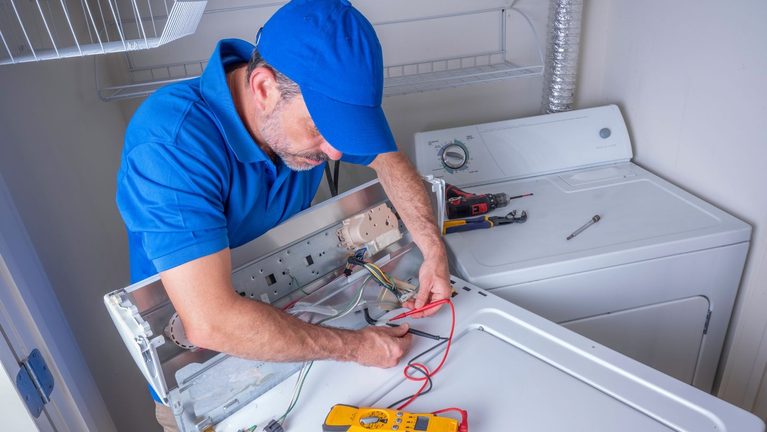
An inlet valve (the solenoid that opens to allow water into the ice maker) can fail electrically or mechanically. A broken auger motor (the spiral that pushes ice out of the mold) means ice gets stuck inside. A damaged control board loses communication with the ice maker entirely. Diagnosing which part failed requires a multimeter, a wiring diagram, and experience troubleshooting electrical circuits.
Call a licensed appliance technician. Repair costs typically run $200–$400 in parts and labor, depending on which component failed and your region. If your refrigerator is still under manufacturer warranty (usually 1 year from purchase), contact LG directly for covered repairs. Search online for “lg refrigerator ice maker problems” + your zip code to find certified technicians nearby, or check The Kitchn for reviews of local appliance repair services. Many offer free diagnostic calls: use it to confirm the problem before committing to a repair.
Conclusion
Most LG refrigerator ice maker problems stem from simple causes: a switched-off power button, a frozen or clogged water line, or a dirty filter. These fixes take less than an hour and cost under $100 in parts. Before accepting a repair bill, walk through each step methodically. Take photos as you work so you remember how to reassemble everything. If you’re not confident working around water lines or electrical components, call a pro, it’s worth the peace of mind. Either way, you’ll have ice again soon.