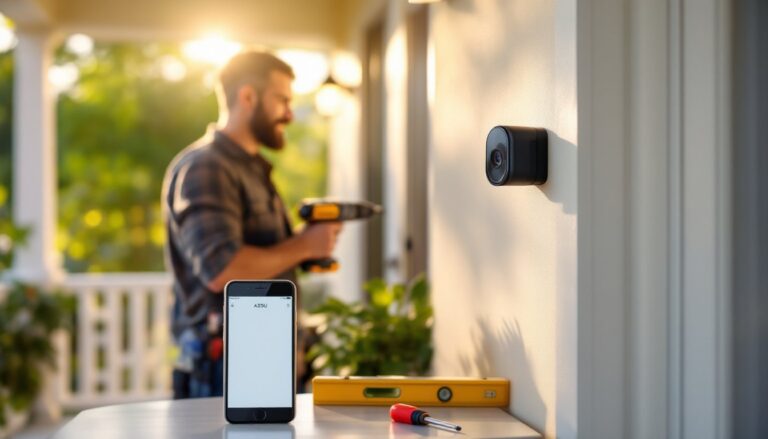
Building or upgrading outdoor spaces requires the right decks and patios tools. Without proper equipment, even simple projects become frustrating and time-consuming. Homeowners and DIY enthusiasts need specific tools for measuring, cutting, fastening, and finishing their outdoor structures.
This guide covers the essential decks and patios tools every project demands. Whether someone plans to build a new deck from scratch or repair an existing patio, having the correct equipment makes a significant difference. The right tools save time, reduce mistakes, and produce professional-quality results.
Table of Contents
ToggleKey Takeaways
- Having the right decks and patios tools saves time, reduces mistakes, and delivers professional-quality results on outdoor projects.
- Accurate measuring tools like laser measures and levels form the foundation of any successful deck or patio build.
- Circular saws and miter saws are essential cutting tools for clean edges and consistent angles on lumber and composite materials.
- Cordless drills paired with impact drivers handle both precision work and heavy-duty fastening efficiently.
- Finishing tools like sanders, pump sprayers, and pressure washers keep your deck looking great and extend its lifespan.
- Investing in quality equipment prevents frustration and costly do-overs, whether you’re building new or renovating existing outdoor spaces.
Planning and Measuring Tools
Every successful deck or patio project starts with accurate planning and measurement. Poor measurements lead to wasted materials, crooked structures, and costly do-overs. These decks and patios tools form the foundation of any outdoor building project.
Measuring Tapes and Laser Measures
A 25-foot measuring tape handles most residential deck projects. For larger patios and multi-level designs, a laser distance measure provides faster readings with greater accuracy. Digital laser measures can calculate area and volume automatically, which speeds up material estimates.
Levels and Squares
A 4-foot level checks that posts, beams, and decking boards sit perfectly horizontal. A torpedo level fits into tight spaces where longer levels won’t reach. Speed squares and framing squares help mark accurate 90-degree angles for clean cuts and proper joint alignment.
Layout and Marking Tools
Chalk lines snap straight reference marks across long distances. Builders use them to mark joist positions and decking board lines. Carpenter’s pencils create visible marks on lumber that won’t fade in sunlight. String lines stretched between stakes help visualize the finished deck footprint before construction begins.
Site Assessment Equipment
A post hole digger or auger determines soil conditions before setting footings. Some builders use a water level for checking grade across large distances. These decks and patios tools reveal potential drainage issues and help establish proper slope for water runoff.
Cutting and Shaping Equipment
Cutting lumber accurately separates amateur builds from professional results. Quality decks and patios tools for cutting ensure clean edges, tight fits, and safe operation throughout the project.
Circular Saws
A circular saw cuts deck boards, joists, and beams quickly. Most builders prefer a 7-1/4 inch blade for standard lumber. Worm-drive models offer more torque for dense hardwoods and composite materials. A sharp carbide-tipped blade produces splinter-free cuts on pressure-treated wood.
Miter Saws
Compound miter saws make angled cuts for stair stringers, corner boards, and decorative trim. A 10-inch or 12-inch sliding miter saw handles wider boards common in deck construction. These decks and patios tools create consistent angles that repeat across multiple pieces.
Jigsaws and Reciprocating Saws
Jigsaws cut curves around posts, railings, and built-in planters. They excel at notching deck boards to fit existing structures. Reciprocating saws remove old lumber during demolition and cut flush against walls or foundations.
Specialty Cutting Tools
A router adds decorative edges to railings and trims posts to uniform heights. An oscillating multi-tool makes plunge cuts for outlet boxes and handles detail work in tight corners. For patio projects involving stone or concrete, a masonry blade fitted to a circular saw cuts pavers cleanly.
Fastening and Assembly Tools
Strong connections hold decks and patios together for decades. The right fastening tools drive screws and nails efficiently while creating secure joints that resist movement and weather exposure.
Cordless Drills and Impact Drivers
A cordless drill bores pilot holes and drives screws into deck boards. An impact driver delivers more torque with less effort, making it ideal for long structural screws and lag bolts. Most professionals carry both decks and patios tools, the drill for precision work and the impact driver for heavy fastening.
Lithium-ion batteries provide longer run times between charges. An 18-volt or 20-volt system handles typical deck construction demands. Having two batteries means one charges while the other works.
Nail Guns and Staplers
Framing nailers speed up joist installation dramatically. They sink 3-inch nails in seconds instead of multiple hammer swings. Finish nailers attach trim pieces and cap boards without visible nail heads. Some deck builders prefer hidden fastener systems that use clips and specialized screws for a clean surface appearance.
Hand Tools for Assembly
Hammers still serve essential functions during deck building. A framing hammer drives nails when power tools can’t reach. A dead-blow mallet adjusts board positions without denting the wood. Pry bars separate stuck lumber and remove old fasteners during renovations.
Ratcheting wrenches tighten carriage bolts on posts and beams. Socket sets handle various bolt sizes found in joist hangers and post anchors. These decks and patios tools complete connections that screws alone cannot secure.
Finishing and Maintenance Tools
New decks and patios require finishing work to look complete. Ongoing maintenance keeps outdoor structures attractive and extends their lifespan. These decks and patios tools handle both initial finishing and regular upkeep.
Sanders and Surface Prep
A random orbital sander smooths rough lumber and prepares surfaces for stain or sealant. Belt sanders tackle larger areas quickly but require careful handling to avoid gouging. Hand sanding blocks reach corners and edges that power sanders miss.
Staining and Sealing Equipment
Pump sprayers apply deck stain and sealant faster than brushes or rollers. Backpack sprayers reduce fatigue on large projects. A quality brush works stain into wood grain and catches drips before they dry. Roller covers with the right nap thickness spread sealant evenly across deck boards.
Cleaning and Restoration Tools
Pressure washers remove dirt, mildew, and old finish from weathered decks. A 2,000 to 3,000 PSI unit cleans most surfaces without damaging wood fibers. Surface cleaners attach to pressure washers and provide consistent cleaning coverage.
Stiff-bristle brushes scrub stubborn stains between pressure washing sessions. Deck brighteners restore the natural wood color before applying new finish. These decks and patios tools keep outdoor spaces looking fresh year after year.