Your Whirlpool dishwasher suddenly displays the E4 F8 error code and refuses to run, a frustrating moment when you’ve got a pile of dishes and zero answers. The good news: this error isn’t usually a sign of an expensive repair bill. The Whirlpool dishwasher F8 E4 code points to specific problems that homeowners can diagnose and often fix themselves in under an hour. Understanding what triggers the whirlpool dishwasher error code f8 e4 and how to troubleshoot it will save you money and get your kitchen back on track fast.
Table of Contents
ToggleKey Takeaways
- The whirlpool dishwasher E4 F8 error code indicates a water-level detection problem that can usually be diagnosed and fixed at home in under an hour.
- Cleaning the spray arm, checking the filter, and inspecting the water inlet line resolve the whirlpool dishwasher F8 E4 error in approximately 80% of cases without professional help.
- A clogged spray arm, blocked filter, or kinked inlet hose are the most common causes of the E4 F8 error, all preventable with regular maintenance.
- If basic troubleshooting steps don’t resolve the error, the water-level sensor, float switch, or control board may need professional diagnosis, which typically costs $100–$200 but is more affordable than replacing the entire dishwasher.
- Running a soft reset by holding the Start/Cancel button for 3–5 seconds can sometimes clear temporary glitches that trigger the error code temporarily.
Understanding the E4 F8 Error Code
What Does E4 F8 Mean on a Whirlpool Dishwasher?
The whirlpool dishwasher code f8 e4 is a water-level error that means your dishwasher isn’t detecting the correct amount of water in the tub during the wash cycle. When the control board can’t sense adequate water, or detects too much, it stops the cycle and displays this code as a safety measure. This prevents the dishwasher from running on insufficient water (which leaves dishes dirty) or over-filling (which can cause leaks and damage). It’s not a catastrophic failure: it’s the appliance doing its job by stopping before something worse happens.
Common Causes of the Error
Most cases of the whirlpool dishwasher error code e4 f8 stem from a handful of preventable issues. A clogged or dirty spray arm is the top culprit, when water can’t circulate properly through the arm’s nozzles, the water level in the tub drops, triggering the sensor. The inlet valve, which controls water entry into the dishwasher, can also malfunction or fail partially, restricting water flow. A blocked or gummy filter stops water from draining at the cycle’s end, causing the sensor to register an abnormal level. In some cases, the water inlet line is kinked or pinched under or behind the dishwasher. Less commonly, the float switch (a small float that rises and falls with water level) gets stuck, or the control board itself misreads the sensor. Starting with the simplest checks, filter, spray arm, and water inlet line, solves the problem in about 80 percent of cases.
Quick Troubleshooting Steps
How to Reset Your Dishwasher
Before diving into parts, try a soft reset. Press and hold the Start/Cancel button for 3–5 seconds to interrupt the current cycle. Open the door and allow the dishwasher to sit for 5 minutes, which gives the control board time to reset. Close the door, select a new cycle, and press Start. If the error reappears immediately, move to the next steps. If it runs without triggering the code, you may have caught a temporary glitch, these happen occasionally when power fluctuates or the cycle gets interrupted. Run one or two normal cycles to confirm the error is gone.
If the reset doesn’t work, don’t run the dishwasher again until you’ve checked the spray arm and filter. Running it repeatedly with the error active can lead to poor drainage or overflow, making the underlying problem worse. Pull out the lower rack and inspect the tub floor for standing water. If water is pooled at the bottom, the drain is blocked, this is your priority. If the tub is dry and the error appeared during or right after a cycle, focus on water-inlet and spray-arm checks. Having a flashlight and a bucket handy makes the next steps easier.
Check and Clean the Spray Arm
The spray arm is a plastic or metal tube with small nozzles that spray water across your dishes. Over time, food particles, mineral deposits, and detergent buildup clog these nozzles, cutting water pressure. Start by turning off power to the dishwasher at the breaker or unplugging it, safety first. Pull out the lower rack. Locate the spray arm at the bottom center of the tub: it’s held on by a nut or a snap clip (check your manual for your model’s specific fastener).
Remove the spray arm and inspect the nozzles. Use a straightened paperclip or a thin wire to poke through each nozzle, clearing any debris. Soak the entire arm in hot water mixed with white vinegar for 15–20 minutes if buildup is heavy, mineral deposits dissolve in acid. Rinse thoroughly under a faucet. If the arm is cracked or a nozzle is broken, replacement arms cost $20–$40 and are simple to swap. Reinstall the arm, ensuring it spins freely by hand. Fill the tub with water to the “full” line and run a short rinse cycle to test water flow. You should see strong, even spray from all nozzles.
Inspecting and Replacing the Filter
A blocked filter is the second most common cause of the whirlpool dishwasher f8 e4 error. The filter sits at the bottom of the tub and catches large food particles before they jam the drain pump. Pull out the lower rack and locate the filter, it’s a cylindrical mesh or cage-like component. Some models have a quick-release collar: others require a twist-out design. Check your manual to identify your model’s style. With the dishwasher powered off, grasp the filter collar and pull straight up or twist counterclockwise, depending on the design.
Rinse the filter under running water, using a soft brush or old toothbrush to scrub away food and slime buildup. Mineral scale is stubborn: soak the filter in vinegar for 30 minutes if needed. Inspect the filter cup (the stationary part below the removable filter) for cracks. If the filter is damaged or won’t clean up, replacement filters run $15–$30. Place a fresh filter in and secure it according to your model, push down and twist clockwise, or snap the collar in place.
While you’re down there, check the drain pump intake at the bottom of the filter cup. Shine a flashlight and look for hair, food, or small objects wedged in the intake. Use tweezers or needle-nose pliers to remove any debris. Reassemble, refill, and run a test cycle. A clean, unobstructed filter resolves the water-level sensor error in many cases. Good Housekeeping has reviewed popular dishwasher models and their maintenance quirks, so you can confirm your dishwasher’s specific filter location if needed.
Checking the Water Inlet and Valve
If the spray arm is clean and the filter is clear, examine the water inlet line. This is a flexible hose that runs from your home’s water supply line to the back of the dishwasher. Get behind or under the dishwasher (you may need to pull it out slightly from the cabinet to access the back) and inspect the inlet hose for kinks, cracks, or pinches. A kinked hose restricts water flow, causing the tub to fill below the sensor’s threshold. Straighten any bends gently and ensure the hose isn’t trapped under the dishwasher’s weight.
The inlet valve itself sits behind the hose connection. If the hose is clear but water flow is weak, the valve may be partially blocked by mineral buildup or a faulty solenoid. Shutting off the water supply at the kitchen shutoff valve (usually under the sink) and unscrewing the hose gives you access to a small strainer screen inside the valve connection. Rinse this screen under water to remove sediment. Reattach the hose, turn the water back on, and run a test cycle. If water still trickles instead of flows, the valve itself may need replacement, a $50–$100 part that typically requires professional installation. At this point, calling a technician is often more cost-effective than guessing.
When to Call a Professional
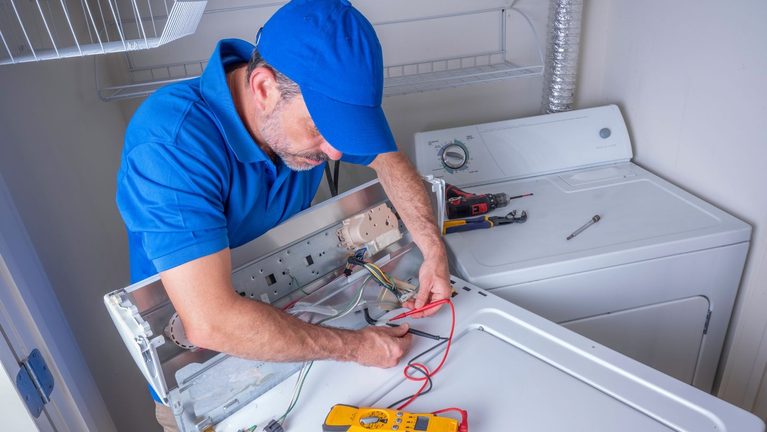
If you’ve cleaned the spray arm, replaced the filter, straightened the inlet line, and the whirlpool dishwasher error code e4 f8 still appears, the issue is likely the water-level sensor, float switch, or control board. These components require a multimeter and circuit knowledge to diagnose safely. A service call costs $100–$200 for diagnosis, plus parts and labor. Compare that against a new dishwasher (which runs $400–$1,500) and it may make financial sense to repair. Check your dishwasher’s age and warranty status first. If it’s under 5 years old and still under warranty, the manufacturer may cover the repair. Professional technicians have schematics and replacement parts on hand, saving you troubleshooting time. For step-by-step guidance on DIY appliance repair, Instructables offers detailed tutorials that walk through sensor and valve replacement if you’re inclined to learn. But, if electrical diagnostics intimidate you, a licensed appliance repair person is the safer, faster route.